

Understanding Sleep Maintenance Insomnia
Have you ever experienced waking up in the middle of the night or too early in the morning and then found it difficult or impossible to fall back asleep? Occasionally, this can happen when something significant is approaching, but for some people, it is a regular occurrence. This regularity can give the impression that they are sleeping more than others, but they are not getting proper rest. While most people wake up 2-3 times a night and can easily fall back asleep, others cannot.

This condition is known as “Sleep Maintenance Insomnia.” Individuals suffering from this type of insomnia may not experience it daily, but when they do, it occurs at least three times a week and is not caused by the side effects of any medication.
Middle Phase Insomnia
Sleep maintenance insomnia can also be referred to as “Middle Phase Insomnia.” Slightly different but both conditions involve waking up before getting enough sleep and finding it difficult to go back to sleep.
Causes of Sleep Maintenance Insomnia
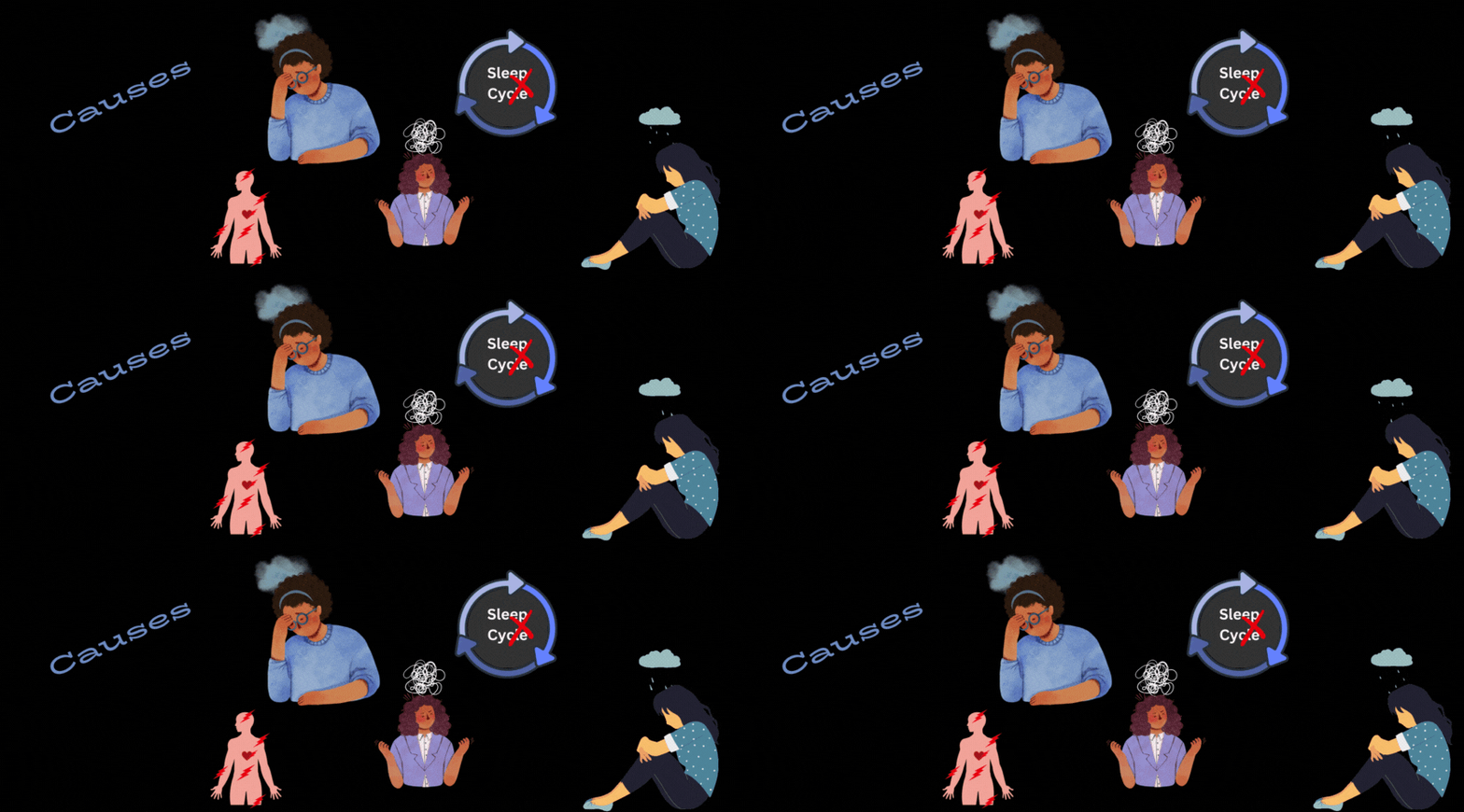
While ageing can affect sleep patterns, making some people sleep more and others less, this type of insomnia is not age-specific. People with sleep maintenance insomnia may be dealing with various medical or mental conditions, such as:
- Depression
- Anxiety
- Sleep apnea
- Pain
- Restless leg syndrome
- Stress
- Shift – work
- Late-night activities or meals
- Jet lag and more
Some causes may seem minor and manageable, but others can lead to persistent sleep maintenance insomnia that requires attention.
Impact and Management
Environmental factors may change over time, resolving some sleep issues. However, mental and medical conditions need to be treated. Insomnia can affect professional and social life due to anxiety about sleep, daytime sleepiness, lack of concentration, and mood swings.

Impact
- Physical Health: Chronic sleep problem is linked to an increased risk of certain medical conditions such as obesity, diabetes, cardiovascular disease, and immune disorders.
- Mental Health: Insomnia is often associated with anxiety disorders, depression, and other mental health issues. The cycle of poor sleep leading to increased stress and anxiety can exacerbate insomnia symptoms.
- Professional Life: Persistent sleep maintenance insomnia can lead to daytime sleepiness, reduced productivity, and difficulty concentrating at work. This can affect job performance and career progression.
- Social Life: Sleep issues can cause irritability, mood swings, and decreased social interactions. People with insomnia may avoid social events due to fatigue or anxiety about their sleep.
Management
- Identifying Triggers: Understanding environmental factors (such as noise, light, temperature) and lifestyle habits (like late or excessive caffeine intake, late-night meals or snacks, irregular sleep schedules) that contribute to insomnia is crucial.
- Sleep Hygiene: Establishing a consistent sleep routine, maintaining a comfortable sleep environment, and practising relaxation techniques before bed can significantly improve sleep quality.
- Cognitive Behavioural Therapy for Insomnia (CBT-I): This structured therapy focuses on changing thoughts and behaviours that interfere with sleep. It’s highly effective and recommended as a first-line treatment for insomnia.
- Medications: Consult your physician to determine if medicinal support is necessary. While medications can provide short-term relief, they are generally not recommended for long-term management of insomnia.
- Addressing Underlying Conditions: Treating medical conditions (such as sleep apnea, restless legs syndrome) and managing mental health issues (like anxiety, depression, and stress) that contribute to insomnia is essential for effective treatment.
- Lifestyle Changes: Incorporating regular exercise, maintaining a healthy diet, and adopting stress management techniques can promote better sleep and overall well-being.
Steps to Address Sleep Maintenance Insomnia
Identify the Cause
Seek professional help to determine the underlying cause of your insomnia.
Establish a Routine
While it may not need to be strict, setting limits can help. Such as; avoid eating or staying awake or sleep willingly after a certain time.
Exercise
Engage in physical activity or a walk before bed to tire your body and mind, aiding in staying asleep.
Addressing these factors can significantly improve sleep quality and overall well-being.
Note
Explore what helps you and stick to it. Healthy diet, routine and exercise are few things which help manage with many physical and mental issues.

 Mind's Maze and Beyond
Leave a comment