

The Pitfalls of Excessive Negativity
Excessive positivity may be seen as impractical in the face of life’s complex realities, but excessive negativity is more than just impractical; it is damaging on multiple levels. While positivity can motivate, inspire, and instil hope, negativity tends to foster disappointment, discouragement, and hopelessness. People who are excessively negative often overlook opportunities and solutions, focusing instead on problems and obstacles. This mindset not only limits their potential but can also create a self-fulfilling prophecy where negative expectations lead to negative outcomes, further reinforcing a cycle of pessimism and defeat. Over time, this negativity can erode relationships, stifle personal growth, and diminish overall well-being.
The Importance of a Balanced View
Viewing the world through a balanced, or “grey,” lens is a more practical and realistic approach. Not everything or everyone is entirely good or bad; even in the worst situations, there can be elements of good, just as in the best situations, there can be flaws, even if they are as small as an atom. This subtle perspective helps us navigate life more effectively, recognising that situations and people are complex and multifaceted. By understanding that nothing is purely black or white, we can make more informed and fair judgements, leading to more balanced decisions and healthier relationships.
Perception and Reality

Human beings often perceive the world through a negative perspective, which is not always accurate. Our perceptions are frequently shaped by personal or secondary experiences, offering only one side of the story. For instance, if you desire something and the authority figure denies it, you might perceive them as abusing their power, trying to deprive you, or being lazy. However, their perspective might be that it’s beyond their authority to grant, someone else is more deserving, or they had other valid reasons for their decision. Understanding this can help reduce unwarranted negative thoughts and foster empathy. By understanding that our initial interpretations might be limited or biased, we can approach situations with a more open mind and a willingness to see the full picture, leading to healthier relationships and a more balanced outlook.
Consequences of Negative Thinking
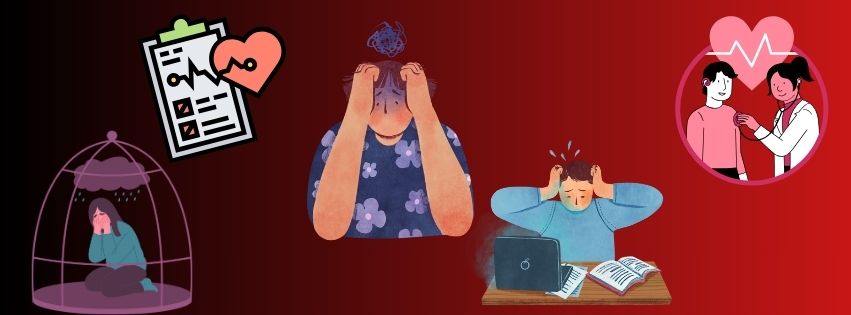
Persistently negative thinking can lead to mental health issues such as anxiety and depression, physical health problems like high blood pressure and weakened immune system, and social and professional difficulties. Negative thinking can strain relationships, reduce productivity, and create a hostile environment at work or home. It also limits one’s ability to see potential solutions or new opportunities, trapping individuals in a cycle of despair and frustration. Over time, this mindset can erode both personal well-being and overall quality of life, making it crucial to address and re-frame negative thought patterns.
Adopting a New Perspective

To combat this, make an effort to see things from different viewpoints. Remind yourself that your perspective may be incomplete or even incorrect. A simple mantra like, ‘My perspective or point of view could be wrong or incomplete,’ can help foster a more balanced and healthier outlook on life. This mental flexibility not only allows you to consider other people’s motivations and the broader context but also helps you avoid jumping to conclusions. By embracing the possibility that your understanding might be limited, you open yourself up to new insights and more constructive, less reactive responses. Over time, this approach can enhance your problem-solving abilities and improve your relationships by encouraging empathy and open-mindedness.
Conclusion
Keep in mind, while positivity can sometimes seem impractical, excessive negativity is undeniably harmful. Adopting a balanced perspective helps us navigate the complexities of life more effectively. By recognising that our perceptions are often incomplete and that there is good and bad in everything, we can approach life with greater empathy, resilience, and wisdom. This balanced approach not only improves our mental and physical health but also enhances our social interactions and professional performance. Embracing the grey areas of life, rather than seeing things in black and white, leads to a more fulfilling and less stressful existence. By understanding the nuanced nature of reality, we can cultivate a mindset that is both realistic and hopeful, enabling us to thrive even in challenging circumstances.
 Mind's Maze and Beyond
Leave a comment