
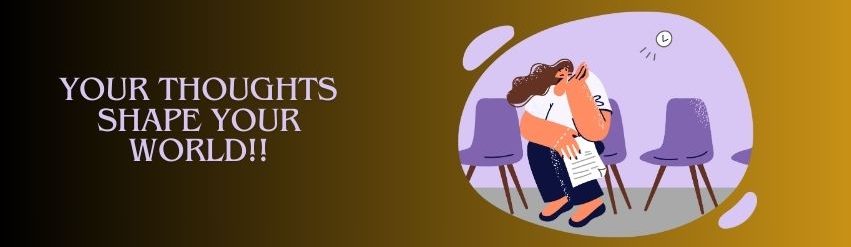
Have you ever felt hesitant to try something new because you doubted your ability to succeed? Many people experience this more often than they realize. Negative self-beliefs can become powerful barriers, often leading us to avoid challenges or opportunities. These limiting beliefs shape our mindset and actions, and over time, they can act as a self-fulfilling prophecy. By expecting failure, we unconsciously sabotage our efforts, making it harder to achieve the success we’re capable of. Understanding this pattern is crucial because once we recognise it, we can begin to challenge these beliefs and break free from their constraints.

Understanding Self-Fulfilling Prophecies
Self-fulfilling prophecies are like subtle traps that slowly choke our chances of success. They often start with a simple yet damaging negative belief, such as the fear of failure. This belief, although not based on reality, distorts our perception, making us anticipate negative outcomes. When we expect things to go wrong, we subconsciously brace ourselves for disappointment. This anticipation leads to a drop in motivation; after all, if we’re already convinced that our efforts won’t matter, why put in the energy to try?
As our effort wanes, the self-fulfilling prophecy takes root. We begin to under-perform, not because we lack ability, but because we haven’t given our full effort. The outcome – usually failure or subpar results – then reinforces the initial belief that we were bound to fail from the start. This cycle can be difficult to break, as every setback further convinces us that our fears were justified. It becomes a loop where belief shapes behaviour, and behaviour, in turn, solidifies belief, ultimately limiting our potential.
Examples of Negative Beliefs
- Feeling like you’re not good enough, even when you have skills and accomplishments.
- Thinking that nothing you do will make a difference, which can make you give up too easily.
- Believing stereotypes about yourself, like thinking you can’t succeed because of your gender, race, or background.
How Negative Beliefs Affect Success
Negative beliefs have a pervasive impact on various aspects of life, often infiltrating academic, professional, and personal endeavours. When individuals internalise doubts about their abilities, these beliefs can create mental roadblocks that hinder growth and success. In education, for instance, students who harbour negative self-beliefs may avoid engaging with difficult subjects or challenging assignments, fearing failure or judgement. This avoidance, while temporarily reducing stress, ultimately impedes academic progress by limiting opportunities for learning and skill development.
The consequences of these beliefs can extend beyond the classroom. Students may shy away from extracurricular activities, group projects, or leadership roles, further diminishing their confidence and sense of achievement. Over time, this reluctance to step out of their comfort zone can lead to a self-imposed ceiling on what they believe they can accomplish, creating a cycle of under-performance that becomes increasingly difficult to break. Recognising and addressing these negative beliefs is essential for unlocking one’s full potential and embracing the challenges necessary for growth.
A student who believes they are inherently bad at Maths may avoid enrolling in advanced mathematics courses or tackling complex problems, thereby limiting their learning potential and academic achievements.
In the workplace, negative beliefs can undermine career advancement and personal growth. Individuals who doubt their capabilities may refrain from seeking promotions or taking on new responsibilities, fearing failure or inadequacy. This reluctance to step out of their comfort zone can stagnate their career trajectory and hinder professional development.
If you’re an athlete even you are not immune to the detrimental effects of negative beliefs, as self-doubt and insecurity can manifest as performance anxiety. Athletes who perceive themselves as inadequate or unworthy may experience heightened stress levels before competitions, which can impair their focus, confidence, and overall performance. Consequently, these negative beliefs may become self-fulfilling prophecies, exacerbating performance difficulties and hindering athletic success.
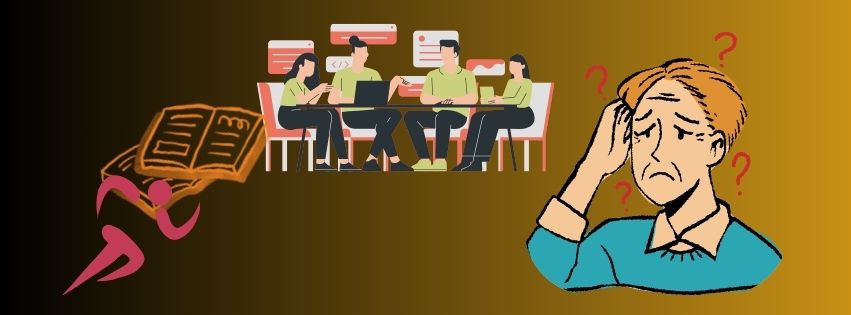
Negative beliefs contribute significantly to emotional distress, intensifying feelings of stress, anxiety, or sadness. When individuals repeatedly harbour pessimistic thoughts about their abilities or self-worth, they may become trapped in a cycle of negative emotions. This pattern can erode their mental well-being, leading to a diminished sense of self-confidence and a growing sense of helplessness. Over time, the emotional weight of these beliefs becomes increasingly difficult to bear, further impacting their overall quality of life.
The emotional burden created by these negative beliefs undermines resilience and weakens the ability to cope with everyday stressors. As negative emotions accumulate, individuals may find it harder to bounce back from setbacks or face new challenges with a clear, proactive mindset. This emotional strain not only hinders personal growth but also limits their capacity to effectively pursue personal goals and maintain meaningful relationships. Ultimately, recognising and addressing these negative beliefs is key to breaking the cycle and fostering greater emotional well-being.
Breaking the Cycle

The good news is that you can overcome negative beliefs. Here are some things you can do:
- Pay attention to your negative thoughts and notice when they come up.
- Ask yourself if there’s any real evidence behind your negative thoughts, or if they’re just based on fears or past experiences.
- Think about your strengths and the things you’ve accomplished to build your confidence.
- Remember that you can get better at things with practice and learning, so don’t give up too easily.
- Talk to someone you trust, like a therapist or counsellor, if you need help dealing with negative thoughts.
By acknowledging and confronting your negative beliefs, you can liberate yourself from the constraints of the cycle they perpetuate, thereby opening doors to both success and happiness in your life. It’s crucial to understand that your self-perceptions significantly influence the outcomes you experience. Therefore, by actively challenging and reshaping these beliefs, you empower yourself to navigate life’s challenges more effectively and seize opportunities for growth and fulfilment. Remember, the beliefs you hold about yourself hold immense power in shaping your reality, so investing in cultivating positive and empowering beliefs can yield trans-formative results in various aspects of your life.

 Mind's Maze and Beyond
Leave a comment