
Loss is an inevitable part of life, and it manifests in various forms, each carrying its own set of emotions and challenges. Loss can take many forms, including the end of a significant relationship, the termination of a job or career, or relocating away from close friends and family. Separation anxiety and impostor syndrome are more commonly associated with these situations. While these forms of loss are impactful, the most recognised form remains the death of a loved one. These experiences can evoke a wide range of emotions, including sadness, anger, confusion, and sometimes even relief. By acknowledging the complexity of these emotions and understanding the different ways people process and cope with loss, we can develop healthier strategies for managing these difficult transitions. This understanding fosters resilience and empathy, helping us support not only ourselves but also others during times of grief and change.
Feeling Sad After Loss
When we lose something or someone important to us, we might feel:
Shocked and Confused: At first, it’s hard to believe what’s happened. We might feel like we’re in a daze.
Sad and Lonely: We might feel really down and like there’s a hole in our life where that person or thing used to be.
Angry or Guilty: Sometimes we get mad at ourselves or others, or we feel bad about things we wish we’d done differently.
Worried and Scared: We might feel anxious about what will happen next or afraid of losing more things we care about.
Going Through the Grieving Process
People often refer to the different stages of grief—denial, anger, bargaining, sadness, and acceptance—as guideposts that help us make sense of the emotional journey that follows a loss. These stages provide a framework for recognising the common emotions many people go through, offering a sense of direction during an otherwise turbulent time. However, it’s important to understand that grief doesn’t follow a rigid, linear path for everyone. While some may move through these stages in a recognisable order, others may find their feelings less predictable, with emotions that overlap, repeat, or emerge at unexpected moments. The stages are not fixed rules but rather a way to help us identify and name the complex feelings that arise after a loss.
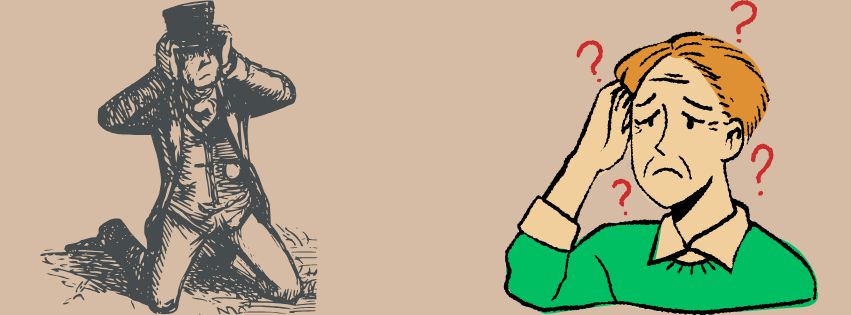
Moreover, not everyone will experience all of these stages, and that’s perfectly normal. Some individuals may skip certain emotions altogether, while others may find themselves dwelling in one stage for an extended period or cycling back to it after some time. This variability highlights the deeply personal and multifaceted nature of grief. Each person’s process is shaped by their relationship with the loss, their personal history, and their emotional coping mechanisms. By acknowledging these differences, we can better appreciate the unique ways in which people manage their grief, offering more compassionate and tailored support rather than expecting everyone to grieve in the same way. Recognising this individuality can deepen our empathy and improve how we assist others in their healing journey.
Everyone’s Journey Is Different
How long it takes to feel better after a loss is different for everyone. Some things that can make a difference include:
How Close You Were: If you were really close to the person or thing you lost, it might take longer to feel better.
How You Cope: People cope with loss in different ways. Some talk about their feelings, while others like to spend time alone.
What Your Culture Says: Different cultures have different traditions and ideas about how to deal with loss.
Finding Comfort and Meaning
During this challenging period, turning to trusted confidants, family members, or professional counsellors can provide a vital source of emotional support. Speaking openly about your feelings allows for the validation of your experiences and strengthens your connection to others, helping to mitigate feelings of isolation. Having someone to listen—whether they offer advice or simply provide a compassionate ear—can make a significant difference in how you process and cope with your grief. Sharing your pain with those who care about you reminds you that you are not alone in your journey.

For those who draw strength from spirituality, prayer, meditation, or communal rituals can be a source of profound comfort and resilience. Spiritual practices often offer a framework for understanding loss, providing a sense of peace or purpose amid the chaos of grief. Religious communities or faith-based gatherings can also offer a support network, giving individuals a shared space to express their sorrow and find meaning. Engaging in these practices can help bring a sense of continuity, grounding individuals in beliefs and traditions that affirm life even in the face of loss.
It’s important to remember that there is no right or wrong way to feel after a loss. Grief is deeply personal, and each person’s process is unique. Give yourself permission to grieve in your own time, and don’t hesitate to seek help when you need it. Whether through therapy, support groups, or leaning on loved ones, asking for help is a sign of strength, not weakness. While the pain of loss may never fully disappear, with patience, self-compassion, and time, you can find ways to move forward and rebuild your life, carrying the memory of what was lost with you in a meaningful way.

 Mind's Maze and Beyond
Leave a comment