

Building resilience is a crucial aspect of maintaining strong mental health, particularly when dealing with secondary trauma, which can arise from being exposed to others’ traumatic experiences. Resilience helps individuals cope effectively, reduces the impact of stress, and fosters emotional stability over time. Developing resilience is not only about “bouncing back” but also about adapting in a way that fortifies your mental well-being for future challenges.
Here are some strategies to help you build resilience and strengthen your mental well-being:
Develop a Positive Mindset

Practice Gratitude
Reflect Regularly: Set aside a few minutes each day to think about things you’re grateful for, such as positive interactions, personal achievements, or small joys. This practice can gradually shift your focus from stressors to positive experiences, enhancing overall outlook.
Gratitude Journal: Maintain a journal where you record at least three things you’re thankful for each day. Reviewing this list over time can help reinforce a positive mindset and encourage appreciation for life’s blessings.
Positive Self-Talk
Affirmations: Replace negative or self-critical thoughts with affirmations, like “I am capable,” or “I can handle this.” Encouraging yourself with positive language strengthens resilience and self-confidence.
Challenge Negative Thoughts: When negative thoughts surface, pause to question their validity. Challenge them by re-framing in a positive or constructive light, focusing on how you can handle the situation.
Embrace Optimism
Solution-Focused Thinking: Train yourself to look for solutions instead of fixating on problems. Ask yourself what actions you can take to move forward, fostering a proactive approach to challenges.
Hopeful Outlook: Cultivate a hopeful mindset by reminding yourself that setbacks are temporary. This approach builds mental strength, making you more resilient in the face of adversity.
Enhance Emotional Regulation
Mindfulness and Meditation
Mindfulness Techniques: Regularly engage in mindfulness exercises, such as meditation, deep breathing, or yoga. These techniques help reduce stress and promote mental clarity.
Present Moment Focus: Focus on the here and now rather than worrying about past events or future uncertainties. Being present helps reduce anxiety and brings calm.
Emotional Awareness
Recognise Emotions: Practice identifying and naming your emotions without judgement. Acknowledging them allows you to manage and respond constructively.
Emotion Regulation: Techniques like deep breathing, progressive muscle relaxation, or visualisation can help you manage intense emotions, maintaining a balanced state of mind.
Stress Management Techniques
Engage in Activities: Dedicate time to stress-reducing activities such as physical exercise, creative hobbies, or being outdoors. These can serve as outlets for releasing tension.
Relaxation Practices: Integrate relaxation methods, such as listening to calming music, taking warm baths, or practising guided imagery. These habits can support overall mental well-being.
Strengthen Social Connections
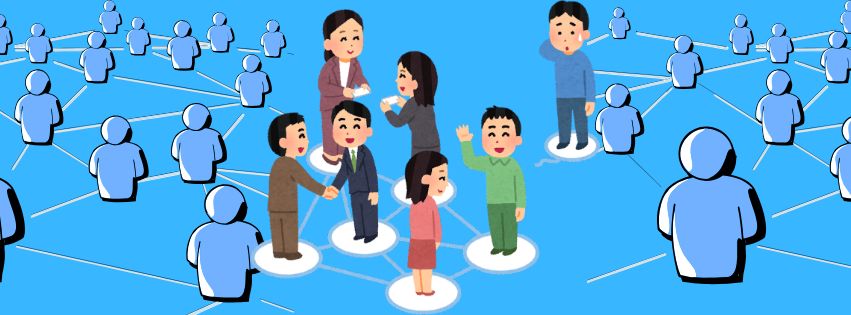
Build a Support Network
Cultivate Relationships: Invest in meaningful relationships with friends, family, or colleagues. A solid support network can provide comfort and encouragement during difficult times.
Reach Out: If you’re struggling, don’t hesitate to connect with others. Expressing feelings can be therapeutic and foster stronger bonds.
Seek Social Support
Therapeutic Conversations: Have open conversations with trusted individuals. Sharing experiences helps you gain perspective and feel less isolated.
Community Involvement: Join community activities or groups that align with your interests. Participating in a community fosters a sense of belonging and provides additional support.
Develop Problem-Solving Skills

Set Realistic Goals
Break Down Tasks: Divide larger tasks into smaller, manageable steps. Accomplishing small goals boosts confidence and makes challenging tasks less overwhelming.
Prioritize: Focus on high-priority tasks first to manage your workload effectively and reduce feelings of stress.
Stay Flexible
Adaptability: Be willing to adjust your approach when circumstances change. Flexibility helps you navigate challenges and seize new opportunities.
Positive Re-framing: View obstacles as chances to grow and learn, building resilience in the face of adversity.
Learn from Experiences
Reflect: Regularly assess past experiences, identifying what was effective and what wasn’t. Applying these insights can help you approach future challenges more effectively.
Growth Mindset: Embrace the belief that each experience is an opportunity to improve and grow. This outlook can enhance personal development and resilience.
Promote Physical Well-Being

Regular Exercise
Physical Activity: Find physical activities that you enjoy, like walking, swimming, or dancing. Exercise helps regulate mood, reduces stress, and supports both mental and physical health.
Routine: Consistency in your exercise routine helps maintain physical fitness, resilience, and mental clarity.
Healthy Diet
Balanced Nutrition: A nutritious diet rich in vitamins, minerals, and balanced nutrients supports brain health and emotional stability.
Hydration: Drinking enough water is crucial for maintaining energy levels and cognitive function.
Adequate Sleep
Sleep Hygiene: Maintain a consistent sleep schedule, create a restful environment, and limit screen time before bed. Good sleep hygiene promotes quality rest.
Restorative Sleep: Sufficient, uninterrupted sleep is essential for mental and physical recovery, enhancing resilience.
Seek Professional Support

Therapy or Counselling
Professional Guidance: Consider speaking with a therapist or counsellor who can provide support and resilience-building strategies.
Regular Sessions: Attending regular therapy sessions can help you process emotions, work through challenges, and strengthen coping mechanisms.
Workshops and Training

Skill Development: Participate in resilience or mental health workshops to learn new techniques that can help you manage stress effectively.
Continuing Education: Keep learning about resilience-building methods and mental health. Staying informed empowers you to handle life’s challenges with greater confidence.
Peer Support Groups
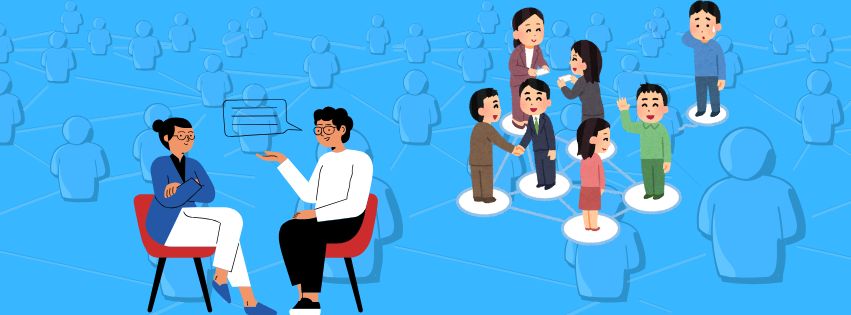
Shared Experiences: Join support groups where you can connect with others facing similar challenges. Peer support offers validation, understanding, and practical advice.
Community Resources: Utilise local or online resources, such as support groups, hotlines, or mental health forums, for added assistance.
Building resilience is a proactive and empowering approach to maintaining and strengthening your mental health. It involves a commitment to personal growth and self-care, recognising that mental well-being is something you can actively cultivate rather than passively endure. By cultivating a positive mindset, you’re able to view challenges as opportunities for growth and embrace optimism in the face of adversity. Enhancing emotional regulation helps you manage difficult feelings, reducing the risk of emotional burnout and enabling you to respond thoughtfully rather than react impulsively.
Additionally, strengthening social connections provides a foundation of support, creating a network of people who understand and uplift you, which is particularly valuable when dealing with the impact of secondary trauma. Developing problem-solving skills allows you to approach challenges with confidence, breaking down complex issues into manageable steps and making even the most daunting obstacles feel achievable. Promoting physical well-being through exercise, nutrition, and rest strengthens both body and mind, ensuring that you’re physically equipped to handle life’s stresses. Finally, seeking professional support offers guidance tailored to your needs, providing tools to navigate specific challenges and build coping mechanisms.
Resilience is not about sidestepping difficulties or pretending challenges don’t exist. Rather, it’s about cultivating the strength, adaptability, and perspective to overcome them, transforming hardships into moments of growth. By building resilience, you empower yourself to navigate life’s ups and downs with greater ease, leading to a more balanced, fulfilling, and enriched life.

 Mind's Maze and Beyond
Leave a comment