
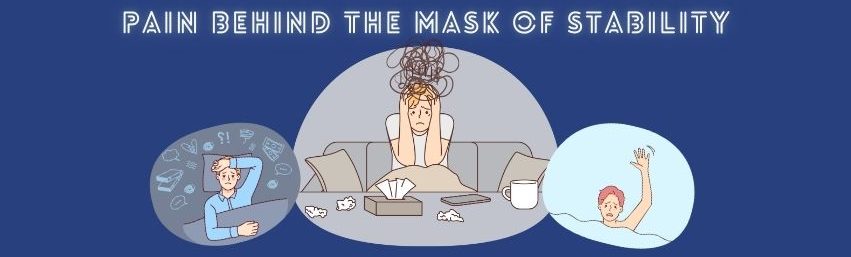
In a world where outward appearances often mask inner realities, it’s easy to misinterpret external stability as a sign of true psychological well-being. Many individuals appear to navigate life’s challenges with ease, excelling in their careers, maintaining stable relationships, and participating actively in social circles. Their lives seem balanced and successful, giving the impression that they have it all together. Yet, beneath this polished exterior, many grapple with a silent struggle, hidden from those around them. These individuals may feel deeply misunderstood, burdened by internal battles that they keep carefully concealed. Their productivity, sociability, and achievements serve as a veneer, obscuring the emotional strain and mental distress they privately endure.
The Illusion of Success

Imagine a person who, by all outward measures, seems to have achieved the pinnacle of success. In their professional life, they are at the top of their game—highly respected, consistently excelling, and perhaps even seen as a role model by colleagues. Their personal life reflects similar success: they have meaningful, thriving relationships, and their social interactions are effortless, marked by a calm and collected demeanour. To the outside world, they appear confident, balanced, and in complete control of their life.
Yet, behind this polished facade, a different reality unfolds. Despite their apparent achievements, they carry with them an invisible burden—relentless inner pain that often feels overwhelming. It might manifest as quiet anxiety, persistent sadness, or a sense of isolation that no amount of outward success can dispel. This internal struggle is often hidden behind a carefully constructed mask, one that they wear to protect themselves from vulnerability and to maintain the illusion of having everything in order.
The complexity of this situation runs deep, as the individual is caught between two worlds—the outwardly successful one that everyone sees and the inner world of turmoil they desperately try to keep at bay. This stark contrast reveals the profound tension that many face: the dissonance between how they are perceived and what they truly feel. It also highlights the human tendency to mask emotional pain with achievement, creating a disconnect that can be both isolating and exhausting. This disparity between external success and internal suffering underscores how deeply complex and nuanced the human experience can be, with struggles often hidden from view, even by those who are most skilled at navigating life’s challenges.
Manifestations of Inner Struggle

This concealed struggle often manifests in ways that are subtle yet deeply telling, and yet these signs are frequently misunderstood or overlooked by those around them. In moments of emotional overload, individuals who otherwise seem composed might unexpectedly snap at loved ones, their frustration emerging without warning. The outbursts, often disproportionate to the situation, leave friends and family bewildered, unable to reconcile the person they know with this new, seemingly irrational behaviour.
Alternatively, they may retreat from social interactions, withdrawing from the very people who typically provide support. Activities or connections that once brought joy might now feel like burdens, leaving them exhausted even by the simplest of tasks. What once seemed effortless—whether it’s attending a gathering or keeping up with a routine—can become insurmountable. They may find themselves struggling to summon the motivation to face the day, caught in a cycle of mental and emotional fatigue that doesn’t appear on the surface.
These changes, though small on the outside, reflect a deeper, often painful truth: the person is battling invisible forces that drain their energy and cloud their sense of self. Minor provocations or discomforts—things that would have once been easily overlooked—can now feel like tipping points. To an outsider, these actions might appear as laziness, moodiness, or instability, but in reality, they are symptoms of something much more complex. This inner turmoil doesn’t have an easy explanation and cannot be seen through simple actions or outward appearances. The person is not “lazy” or “unstable,” but rather struggling with an emotional and mental weight that is difficult to bear, even when they appear to be holding everything else together. The true reality is far more intricate—one that requires patience, understanding, and a deeper empathy to fully grasp.
The Roots of Silent Suffering

The root of their struggle is found in the silent suffering they quietly endure, often hidden from the world behind a mask of composure and accomplishment. Despite their best efforts to bury this pain beneath the weight of routines, professional responsibilities, and the expectations of others, it inevitably seeps through, slowly but relentlessly disrupting their life. The emotional toll it takes leaves them drained, as if every effort to move forward is met with a quiet resistance they cannot name.
This anguish is rarely straightforward or easy to identify, as it doesn’t fit neatly into any recognisable box. It might not be a single, defining event, but rather a collection of subtle scars—past traumas, unresolved conflicts, or lingering wounds from relationships or experiences that never fully healed. Sometimes, it is a deep-seated existential unease, an ongoing sense that something is missing or that life lacks meaning, even when everything appears to be in place. This feeling is difficult to articulate, and even harder to understand, as it doesn’t arise from anything tangible or specific.
For these individuals, the pain often remains unnamed, a shadow that hovers just out of sight, always present but never fully acknowledged. The emotional and psychological strain can feel like a quiet storm, eroding their sense of self and leaving them perpetually in search of something to ease the inner turmoil. It is not a condition that can be fixed by success, social approval, or material gains. Rather, it is an ongoing struggle with the complexities of their own psyche—one that requires deep introspection, healing, and support.
The Pressure to Maintain Appearances

For these individuals, the pressure to maintain the outward appearance of stability becomes a heavy burden that only intensifies their suffering. They feel an overwhelming need to uphold the illusion of composure, fearing that any crack in their perfect facade will expose them to judgement or rejection. The very thought of revealing their true struggles can seem unbearable, as they worry that doing so might alienate others or undermine the image they have worked so hard to project.
This constant tension—between their internal turmoil and their external persona—creates a cycle of self-imposed isolation. They distance themselves not only from others but also from their own emotions, suppressing their pain in an attempt to conform to the expectations placed upon them. The fear of being misunderstood or dismissed drives them further into silence, convincing them that their struggles are something to be hidden or overcome alone.
As this isolation deepens, so does their shame. They may begin to internalise the belief that their pain is a weakness, something unworthy of attention or support. This leads to a quiet, but profound sense of alienation—not just from others, but from their own sense of worth and identity. The very act of concealing their pain becomes an additional source of suffering, as they struggle to reconcile the gap between who they appear to be and who they truly are inside. This cycle, marked by isolation, shame, and fear of judgement, can feel inescapable, leaving them trapped in their own mind and unable to break free.
Looking Beyond the Surface

It’s crucial to recognise that psychological struggles extend far beyond outward appearances. Just because someone seems well-adjusted on the surface—confident, composed, and successful—does not mean they are immune to the inner turmoil that many face. The truth is, often those who project strength, resilience, and stability are silently grappling with profound battles that others may never see. Their composure is not a reflection of their emotional well-being, but a result of their ability to conceal or suppress the distress they carry inside.
Understanding this reality challenges our tendency to make judgements based solely on what we see. It reminds us that vulnerability exists in places where it’s least expected and that inner pain is not always visible. Many individuals hide their struggles in an effort to meet societal standards or avoid the stigma associated with mental health, but this concealment does not make their pain any less real.
By recognising this truth, we open the door to deeper empathy and understanding. We begin to approach others with more compassion, acknowledging that even those who appear to have everything together might be carrying heavy burdens. This shift in perspective encourages us to listen more attentively, offer support without judgement, and create environments where people feel safe enough to share their struggles. Empathy allows us to break down the walls of isolation and shame, fostering connections that acknowledge both the visible and invisible aspects of human experience.
Supporting the Path to Healing

Supporting individuals on their journey to healing begins with recognising that their struggles are real, even if they are not immediately visible. The first step is to look beyond the veneer of stability and acknowledge the depth of their pain. Instead of dismissing their behaviours as laziness, instability, or moodiness, we should approach them with empathy and an open heart. Offering a listening ear and being non-judgemental can create a safe space for them to express what they are truly experiencing. By letting them know that their feelings are valid, we give them the courage to start breaking down the barriers they’ve built to protect themselves.
Creating an environment of trust is essential. We must be patient, avoiding pressure to “fix” their problems or provide easy answers. Healing is a process, and it requires time and space for individuals to process their emotions at their own pace. Small gestures of kindness, such as reaching out with compassion and making it clear that we are there to support, can make a world of difference.
In addition to emotional support, professional help can be invaluable in addressing the root causes of their pain and guiding them toward healthier coping strategies. Therapy offers a safe and confidential outlet for individuals to process difficult emotions without fear of judgement. A trained therapist can help them explore the underlying causes of their struggles, whether stemming from past trauma, unresolved conflicts, or chronic anxiety. Therapy can also help individuals gain insight into behaviour patterns that may be exacerbating their distress, providing them with tools to develop healthier ways of thinking and coping.
Encouraging individuals to seek professional help, without pressuring them, allows them to take an active role in their healing journey. Therapy can empower them to confront their pain, develop resilience, and discover new ways to navigate life’s challenges with greater self-awareness. By supporting them through both emotional connection and professional guidance, we can help create a pathway for healing and recovery, one where they no longer have to suffer in silence.
Appearances Can Be Deceptive

Ultimately, appearances can be deceiving. The next time you encounter someone who seems to have it all together, it’s important to remember that they may be quietly fighting unseen battles. Their outward success, confidence, and composure may be masking the deep struggles they are enduring on the inside. Recognising that not everything is as it seems encourages us to approach others with greater awareness and empathy.
By extending compassion, offering a listening ear, and creating a space where they feel safe to express themselves, we can provide valuable support. Sometimes, simply being present and acknowledging their pain can offer a sense of relief, helping them feel less isolated in their journey. In doing so, we help them find the peace they may be seeking amidst their struggles, and open the door to healing.
Supporting someone doesn’t always require grand gestures—it’s the small acts of understanding and patience that can make a significant impact. When we offer unconditional support, we not only help others navigate their path toward healing but also foster a culture of kindness and empathy that benefits everyone.

 Mind's Maze and Beyond
Leave a comment