

Toxic individuals can subtly infiltrate our lives, draining our energy, harming our well-being, and creating an emotional toll. Understanding where this behaviour originates and how to address it is crucial for protecting yourself and fostering healthier connections. This article explores the signs of toxic behaviour, possible root causes, and practical strategies for managing these relationships.
Recognising Toxic People
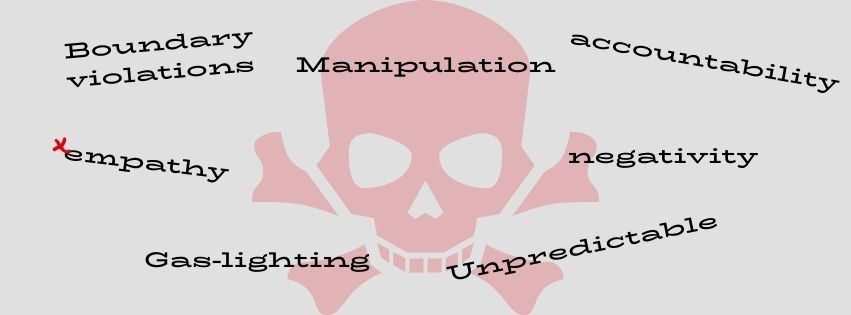
Identifying toxic individuals is not always straightforward—they don’t come with obvious warning labels. However, there are certain behaviours and patterns that signal toxicity. Below are common red flags to watch for:
Chronic Negativity: A persistent focus on the negative. They may constantly complain, criticise others, or dampen the mood in any setting.
Manipulation and Control: They employ tactics like guilt trips, emotional blackmail, or passive-aggressive behaviour to maintain control.
Lack of Empathy: A failure to understand or value others’ feelings. They may dismiss your emotions or minimise your experiences.
Boundary Violations: Disrespecting personal limits, invading privacy, or demanding attention without regard for your comfort.
Unpredictable Behaviour: They may swing between charm and volatility, leaving you confused or emotionally destabilised.
Gas-lighting: Twisting facts or events to make you doubt your own perceptions and question your sanity.
Taking Advantage of Others: Exploiting others for personal gain while offering little or nothing in return.
Lack of Accountability: Refusing to take responsibility for their actions, often shifting blame to others.
It’s important to note that witnessing one or two of these traits doesn’t necessarily make someone toxic. Consistent and recurring patterns of these behaviours, however, can have a detrimental impact on your mental and emotional well-being.
How to Spot Toxic Individuals?
While the signs above are useful, spotting toxic people also requires paying attention to your feelings and surroundings. Consider these approaches:
Notice Your Reactions: Do you often feel drained, anxious, or belittled after interacting with them?
Observe Their Treatment of Others: How they interact with those around them can offer clues to their true character.
Trust Your Instincts: Your gut feeling about someone’s intentions can often be a reliable indicator.
Unravelling the Roots of Toxic Behaviour

Toxic behaviour often stems from deep-seated issues rather than deliberate malice. Understanding these origins can provide clarity, though it doesn’t excuse the harm caused. Common root causes include:
Difficult Pasts: Trauma, neglect, or unhealthy relationships in childhood can shape negative behaviours.
Low Self-Esteem: A lack of self-worth may lead individuals to manipulate others as a way to gain control or power.
Mental Health Struggles: Issues like narcissistic tendencies or unresolved trauma can manifest in toxic behaviours.
Recognising these roots can help you separate the behaviour from the person, fostering compassion without compromising your boundaries.
Protecting Yourself

Understanding the warning signs is the first step toward safeguarding your well-being. Here are proactive strategies for managing toxicity:
Establish Boundaries: Clearly communicate your limits and enforce them firmly.
Limit Contact: Reduce the time you spend with toxic individuals, especially in high-stress situations.
Detach with Kindness: Avoid taking their actions personally. Focus on their behaviour rather than internalising their negativity.
Strategies for Managing Toxicity
If distancing yourself entirely isn’t possible, use these tactics to minimise harm:
Focus on Self-Care: Prioritise your mental and emotional health through mindfulness, exercise, and hobbies.
Engage in Clear Communication: Address concerns calmly and directly without being confrontational.
Seek Support: Share your experiences with trusted friends, family, or professionals for guidance and reassurance.
Exiting a Toxic Relationship

Sometimes, the healthiest choice is to leave a toxic relationship altogether. While this can be challenging, it’s often essential for long-term well-being.
Plan Ahead: If the situation is unsafe, prioritise a strategy that ensures your physical and emotional security.
Communicate Firmly: Be clear and assertive about your decision without engaging in unnecessary conflict.
Lean on Your Support Network: Rely on loved ones for understanding and practical help as you transition.
Invest in Healing: Seek therapy or counselling to process the experience and rebuild your confidence.
Moving Forward
You cannot change others, but you can choose how to respond to their actions. By identifying toxic behaviours and setting firm boundaries, you empower yourself to cultivate healthier, more fulfilling relationships. Prioritising your well-being isn’t selfish—it’s essential for personal growth and happiness.
Remember, recognising toxicity is the first step to protecting yourself and embracing a life filled with positivist and mutual respect.

 Mind's Maze and Beyond
Leave a comment