
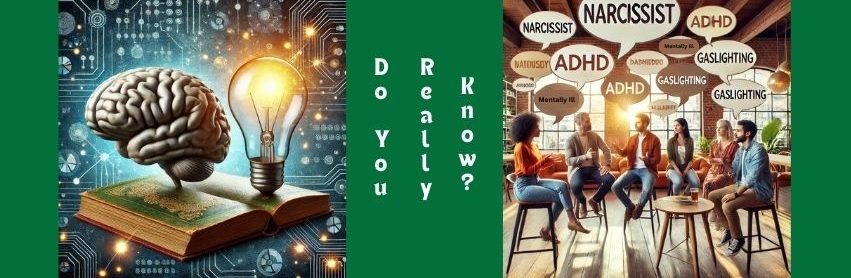
Some time ago, I heard a conversation between two acquaintances that left a lasting impression. It was about how people today seem more aware of psychological issues. While this awareness is commendable, it often leads to an unsettling trend: the casual labelling of others. Terms such as ‘retard,’ ‘psychologically ill,’ and ‘pagal’ are thrown around thoughtlessly. Recently, I have even heard people label others as ‘narcissists,’ often based on a partial understanding of the disorder or after observing one or two symptoms at most.

This tendency to label is not rooted in true understanding but in superficial knowledge. Psychologists dedicate their careers to helping people understand themselves and others, but when someone with no formal education in the field relies on bits of information picked up from the internet or their social circle, the results can be misguided and damaging. Knowing a few terms or having basic knowledge does not make one an expert in psychology—or any field, for that matter.
The Harmful Effects of Casual Psychological Labelling
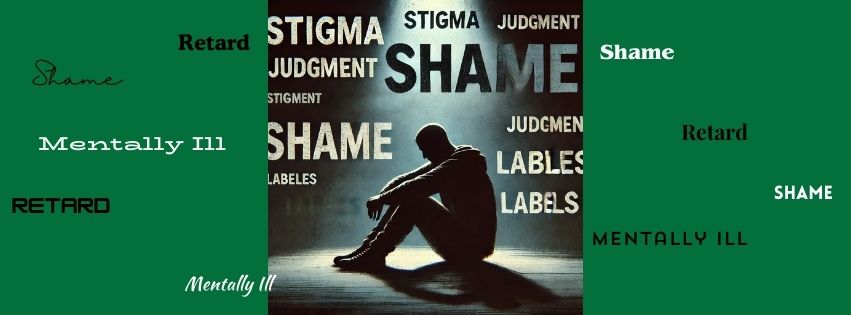
Psychological labelling often occurs when people fail to understand someone else’s behaviour. For instance, a person showing anger in a contextually reasonable situation might still be labelled negatively. Humans are not uniform. We all have unique life stories, perspectives, and emotional responses. What seems “normal” to one individual may not be normal to another.
Yet, casual labelling persists. Phrases like ‘He’s so depressed’ or ‘That child must be autistic or have ADHD’ are often used to describe individuals who exhibit one or two traits—traits that are usually not even of diagnosable intensity and are only vaguely associated with a condition. Such labelling is not only inappropriate but also harmful. It undermines genuine mental health struggles and disrespects the dignity of those who are truly coping with these challenges.
The Dangers of Assumptions
Misjudging Behaviour
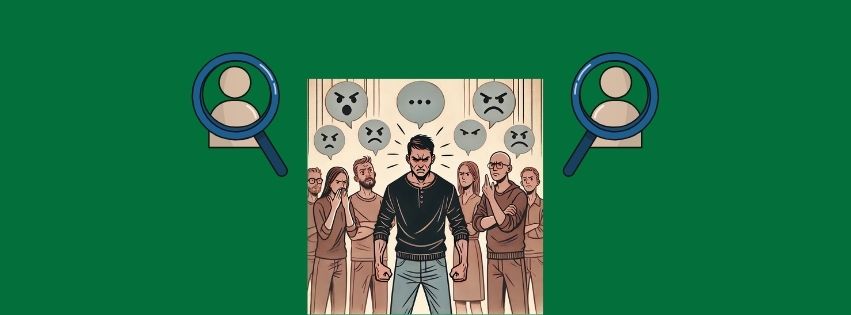
Often, individuals are labelled simply because their actions do not align with the observer’s expectations. For example, someone facing a difficult situation might express anger, sadness, or frustration. Instead of recognising these emotions as valid and situation-specific, others might hastily assign labels such as “mentally unstable” or “angry person.”
Creating Stigma
Carelessly calling someone “retarded” or “psychologically ill” is not just offensive—it perpetuates stigma. It diminishes the real challenges faced by individuals with mental health conditions and paints an inaccurate picture of their experiences.
Damage to Relationships
Labelling can irreparably harm relationships. When someone is labelled based on superficial observations, it not only misrepresents them but also erodes trust and understanding.
You Are Not an Expert
It’s crucial to remember that understanding a concept and being educated in a field are two very different things. Psychology is a nuanced discipline requiring years of study, training, and practical experience. Learning a few terms from social media or a casual conversation does not qualify anyone to diagnose or label others.
For example, I have encountered situations where individuals labelled others as “mentally ill” based on a single outburst of anger. Upon closer examination, the person labelling turned out to be struggling with their own unresolved issues. It is a stark reminder that labelling others often says more about the observer than the person being judged.
Why This Matters?

My intention in writing this blog is not to discourage learning about psychology but to clarify its purpose. Understanding mental health should lead to greater empathy, not unwarranted criticism or labelling. Most behaviours that appear “abnormal” are not pathological—they are simply different from what you know or have experienced.
Sometimes, a person may be overwhelmed by a situation and unable to cope in a way that seems familiar to you. This does not place them in a category of “abnormal.” Labelling them without a full understanding of their experiences and context only adds to their burden.
What To Do If You Are Concerned
If you genuinely care about someone’s mental health, it’s essential to approach the matter thoughtfully and responsibly.
Pause and Reflect
Before jumping to conclusions, consider whether you fully understand the person’s behaviour. Is it possible that your perspective is limited? Reflect on whether your judgement is informed or biased. Are you basing your perception on a single instance or a pattern of behaviour? Is your understanding rooted in evidence or assumptions?
Consider Context and Patterns
Behaviour is highly contextual. A single outburst or emotional reaction does not define someone’s mental state. Look for consistent patterns, and even then, approach the matter with care.
Speak with Empathy
If you feel someone may need support, communicate your concern kindly. Avoid using diagnostic terms or making definitive statements. Instead, say something like, “I’ve noticed you seem stressed; is there anything I can do to help?”
Refer to Professionals
Diagnosing mental health conditions is the job of trained psychologists and psychiatrists. If you believe professional help is needed, encourage the individual to seek guidance from an expert.
Knowledge Comes with Responsibility

It is encouraging to see more people taking an interest in mental health, but this comes with the responsibility to use that knowledge wisely. Misusing psychological terms or concepts trivialises real struggles and risks causing harm.
If you are genuinely passionate about understanding psychology, invest time in learning from credible sources. Read books, attend workshops, or consult professionals. However, even with a deeper understanding, recognise the boundaries of your expertise.
Educate, Don’t Label
The goal of learning about mental health should be to educate yourself and others, not to pass judgement. Instead of labelling someone based on limited observations, focus on promoting understanding and compassion.
Building a Culture of Empathy
In a world where superficial knowledge is often mistaken for expertise, true understanding requires humility. Rather than hastily labelling others, try to see things from their perspective. Perhaps their behaviour, while unfamiliar to you, makes perfect sense in the context of their life.
Let us move toward building a culture where psychological awareness fosters empathy, not stigma. Where knowledge is used to support others rather than diminish their experiences.
Final Thoughts
Knowing a little about psychology does not make you a psychologist, just as knowing the names of a few medicines does not make you a doctor. If you are truly concerned about someone’s mental health, guide them towards professional help instead of trying to diagnose them yourself.
Let us use our growing awareness of mental health as a force for good—one that builds bridges, deepens understanding and helps others feel seen and supported. Remember, true education is not about labelling but about learning how to care for and connect with those around us.

 Mind's Maze and Beyond
Leave a comment