

The Misconception of Anger
Anger is often misunderstood as a defining personality trait rather than a temporary emotional state. Many people assume that those who frequently express anger are inherently “angry people,” failing to recognise that anger is often a symptom rather than the root cause of emotional distress.

In reality, anger can serve as a mask for deeper, unresolved emotions such as stress, anxiety, grief, or depression. It frequently functions as a defence mechanism, protecting individuals from confronting painful or overwhelming feelings. When someone is struggling with emotional turmoil, they may unknowingly channel their distress into frustration or aggression because it is a more socially acceptable—or at times, instinctive—way to express discomfort.
For instance, a person dealing with chronic stress at work might lash out at their loved ones, not because they are inherently angry, but because they have no healthy outlet for their frustration. Similarly, individuals experiencing deep sadness or feelings of helplessness may express irritability instead, as sadness can feel too vulnerable to confront directly.
Understanding anger as a secondary emotion allows for a more compassionate perspective. Instead of dismissing someone as an “angry person,” we can begin to explore what underlying emotions might be driving their reactions. Encouraging emotional awareness and healthy coping mechanisms—such as mindfulness, communication, or therapy—can help individuals process their true feelings rather than defaulting to anger as a form of expression.
The Challenge of Recognising Mental Struggles
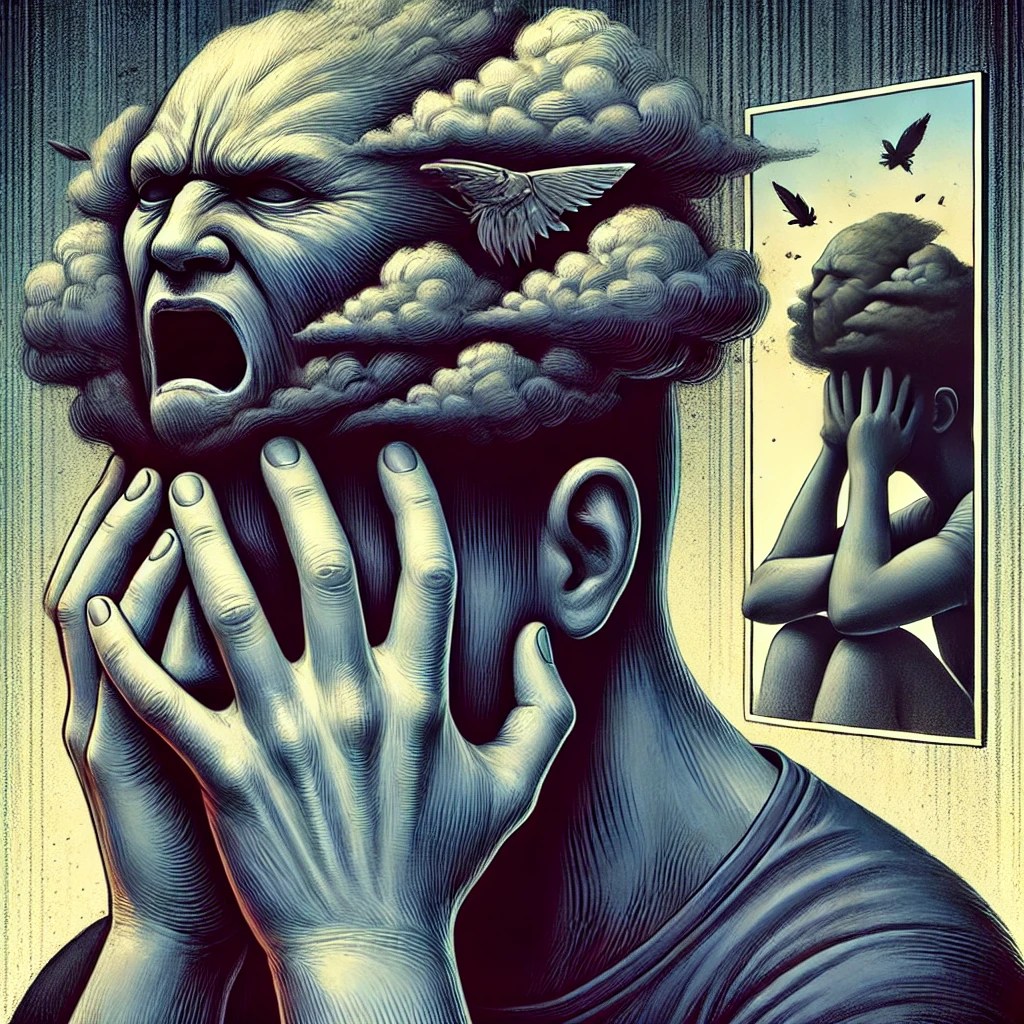
Acknowledging one’s own mental struggles is often more difficult than recognising them in others. Many people go through life unaware of the extent of their emotional distress, while others may consciously or unconsciously resist acknowledging their pain. This reluctance can stem from a variety of factors, including personal fears, deep-seated defence mechanisms, and societal pressures that stigmatise emotional vulnerability.
Societal norms, in particular, play a significant role in shaping how individuals perceive their mental health. In many cultures, admitting to stress, anxiety, or depression is mistakenly equated with weakness or failure. As a result, individuals may suppress their emotions, convince themselves that they are simply “overreacting,” or push forward without addressing their needs. This denial can prevent them from seeking support, leading to prolonged emotional distress and potential burnout.
However, recognising and accepting mental struggles is not a sign of weakness—it is an act of immense courage and strength. Seeking help, whether through self-reflection, open conversations, or professional support, requires honesty and self-awareness. The process may be uncomfortable at first, but it ultimately paves the way for healing, growth, and resilience. Breaking the cycle of avoidance and fostering a culture where mental health is openly discussed can empower individuals to confront their struggles without fear or shame.
Life Changes and Emotional Stress
Significant life changes, even those that seem positive or routine, can be emotionally taxing. Events such as organising a family function, adjusting to shifting family dynamics, managing personal health concerns, or caring for a loved one who resists treatment can create immense stress. These experiences demand emotional energy, decision-making, and adaptability, which can quickly become overwhelming.

When stress accumulates without proper relief, it can manifest in unexpected ways, including irritability and anger. This response is often misunderstood; rather than being a sign of hostility or aggression, anger can be a natural reaction to feeling emotionally drained, unsupported, or out of control. For instance, a caregiver tending to a resistant loved one may experience frustration—not out of resentment, but due to exhaustion and concern. Similarly, someone dealing with health worries might express irritation, not because they are inherently angry, but because they feel vulnerable and uncertain.
Understanding that anger in these situations is a stress response rather than a personality flaw can foster greater empathy. By recognising the emotional weight of life transitions, individuals can take proactive steps to manage their stress—whether through self-care, open communication, or seeking professional support. Acknowledging these feelings without judgement allows for healthier coping strategies and prevents emotional exhaustion from taking a deeper toll.
Coping Strategies for Managing Emotional Outbursts
Effectively managing emotional outbursts requires proactive coping strategies that allow individuals to regain control over their emotions before they escalate. Taking short breaks during stressful situations can provide momentary relief and mental clarity, helping to prevent impulsive reactions. Deep breathing exercises, mindfulness techniques, or even stepping away from a tense environment for a few minutes can significantly reduce emotional intensity.
Caregivers, in particular, face a heightened risk of emotional exhaustion due to their constant responsibilities. Prioritising self-care and sharing duties with family members can help prevent burnout and reduce feelings of frustration. While the idea of a vacation or retreat may sound appealing, it is not always feasible due to financial constraints or the emotional guilt of stepping away from responsibilities. However, self-care does not have to involve grand gestures. Small, consistent practices—such as engaging in hobbies, maintaining social connections, or setting aside quiet moments for relaxation—can have a meaningful impact on emotional well-being.
The Importance of Seeking Support
Self-awareness is the first step toward healing. Acknowledging one’s struggles does not equate to weakness; rather, it is a sign of strength and the beginning of a path toward self-improvement. Seeking support—whether from a trusted friend, family member, or mental health professional—is an essential component of maintaining emotional and psychological well-being.

No one is expected to manage everything alone, yet many people hesitate to ask for help due to fears of burdening others or appearing vulnerable. However, suppressing emotions or refusing support can lead to greater emotional distress over time. A strong support system provides reassurance, perspective, and validation, reminding individuals that they are not alone in their struggles.
Building a Compassionate Approach
Recognising that anger is often a symptom of deeper emotional struggles rather than the root issue is key to fostering a more compassionate and empathetic approach—both toward oneself and others. Instead of reacting negatively to emotional outbursts, taking the time to understand their underlying causes can lead to more meaningful connections and healthier ways of managing stress.

By adopting a mindset of patience and self-reflection, individuals can develop greater emotional resilience and improve their overall well-being. Learning to navigate emotions with kindness, rather than judgement, not only benefits personal mental health but also contributes to a more understanding and supportive environment for those around them.

 Mind's Maze and Beyond
Leave a comment