

Psychological pain, often termed as psychache, is a subtle yet profoundly complex experience. It is comparable in its distressing impact to physical pain but is rooted in the emotional and cognitive layers of the mind, making it harder to identify and address. Unlike physical pain, which often has visible or measurable causes, psychological pain arises from intangible factors like unresolved emotions, unmet needs, or existential concerns, further complicating its understanding.
The experience of psychache varies widely among individuals, influenced by their unique life experiences, temperament, and resilience. For some, challenging circumstances may be navigated with minimal distress, while others might find themselves overwhelmed by the emotional weight of similar situations. These differences highlight how deeply personal and subjective psychological pain can be, often defying generalisations or universal solutions.
Understanding the diverse causes, manifestations, and coping mechanisms for psychological pain is vital for fostering mental well-being. It requires not only recognise its profound impact but also acknowledging that healing involves a combination of empathy, tailored interventions, and resilience-building strategies. By exploring the nature of psychache, individuals and communities can develop greater awareness and create supportive environments that nurture emotional health and recovery.

Delving into its complexities, let’s explore the multifaceted nature of psychological pain, along with strategies to navigate and transcend its grip:
Causes of Psychological Pain
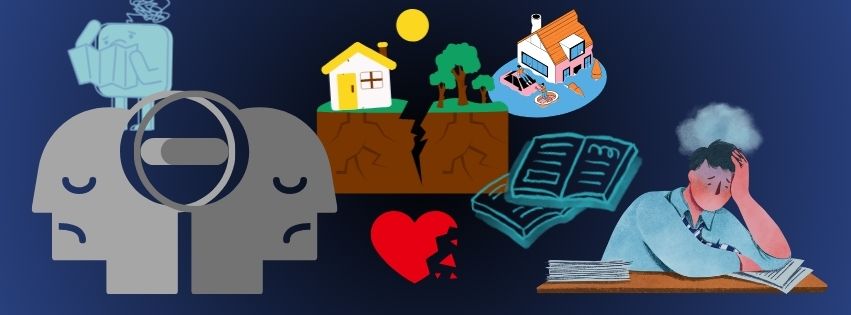
Trauma and Loss: Traumatic experiences such as the death of a loved one, accidents, or natural disasters can leave deep and lasting emotional scars. The grieving process, coupled with the shock of sudden or profound loss, often leads to intense psychological pain, making it difficult for individuals to find emotional stability.
Relationship Issues: Interpersonal conflicts, breakups, divorce, and strained family relationships are common sources of emotional distress. Feelings of rejection, betrayal, and loneliness in such situations can significantly contribute to psychological pain, affecting both self-worth and emotional resilience.
Chronic Stress: Persistent stress from demanding work environments, financial problems, or personal issues can result in emotional exhaustion. When stress becomes chronic, it overwhelms an individual’s natural coping mechanisms, potentially leading to severe psychological pain and burnout.
Mental Health Disorders: Conditions such as depression, anxiety, and post-traumatic stress disorder (PTSD) inherently involve psychological pain. This pain often lingers, creating a cycle of distress that gradually erodes the individual’s mental well-being and ability to function effectively.
Identity and Self-Worth Issues: Struggles with self-identity, self-esteem, and self-worth can lead to significant psychological pain. Individuals may feel disconnected from their true selves, experience feelings of inadequacy, or grapple with a sense of purposelessness, which exacerbates their emotional turmoil.
Social Isolation: A lack of meaningful social connections or supportive relationships can lead to feelings of loneliness and isolation. This absence of social support intensifies psychological pain, as individuals may feel disconnected and unsupported during times of need.
Effects of Psychological Pain
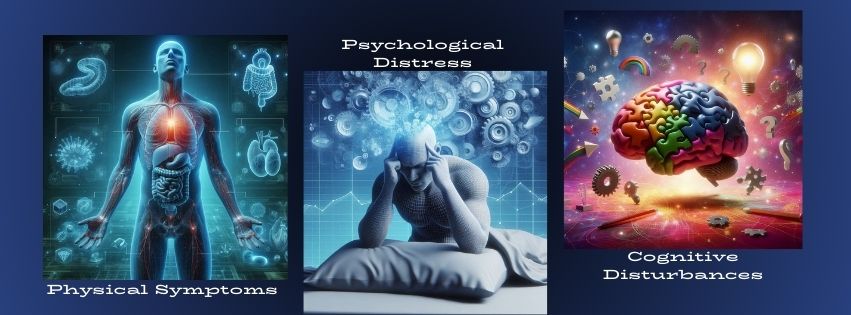
Emotional Distress: Psychological pain often manifests as intense and persistent emotions such as sadness, anger, guilt, or despair. These overwhelming feelings can make it difficult for individuals to focus on their daily lives or find joy in previously enjoyable activities.
Physical Symptoms: The mind-body connection means psychological pain can result in physical symptoms such as headaches, stomachaches, fatigue, and sleep disturbances. These manifestations highlight the pervasive impact of emotional distress on overall health.
Cognitive Impairment: High levels of psychological pain can impair cognitive functions, making it difficult to concentrate, make decisions, or retain information. This can hinder both personal and professional productivity, creating additional stress.
Behavioural Changes: Individuals experiencing psychological pain may withdraw from social activities, display changes in appetite, or turn to unhealthy coping mechanisms such as substance use. These behaviours often further isolate them and exacerbate their distress.
Impact on Relationships: Psychological pain can strain relationships, leading to misunderstandings, conflicts, and a loss of intimacy. Loved ones may struggle to understand or support someone in emotional distress, adding to the individual’s sense of isolation.
Reduced Quality of Life: Chronic psychological pain diminishes the ability to enjoy daily activities, pursue goals, and find meaning in life. Over time, this reduced quality of life can lead to a sense of hopelessness and resignation.
If you or a loved one is experiencing deterioration in any of these areas, it is crucial to offer support, provide encouragement, or seek professional assistance. Even seemingly minor issues can escalate without timely intervention.
How to Manage and Cope with Psychological Pain

Seek Professional Help: Psychotherapy or counselling offers a safe space to process emotions, identify triggers, and develop effective coping strategies. Professionals are trained to tailor approaches to an individual’s specific needs, ensuring better outcomes.
Build a Support Network: Surrounding oneself with understanding friends, family, or support groups can reduce feelings of isolation and provide emotional reassurance. Sharing experiences in a supportive environment fosters healing and resilience.
Practise Mindfulness and Meditation: Mindfulness practices and meditation help individuals remain grounded in the present moment. These techniques promote relaxation, emotional regulation, and a greater sense of control over one’s thoughts and feelings.
Engage in Physical Activity: Regular exercise releases endorphins, which are natural mood enhancers. Physical activity also reduces stress, improves sleep, and boosts overall mental well-being.
Develop Healthy Coping Mechanisms: Identifying positive ways to cope with emotional pain is essential. Activities such as journaling, engaging in creative arts, spending time in nature, or pursuing hobbies can provide relief and foster a sense of accomplishment.
Maintain a Healthy Lifestyle: A balanced diet, adequate sleep, and limiting substance use contribute to emotional and physical health. A healthy body supports a resilient mind, creating a foundation for managing psychological pain.
Challenge Negative Thoughts: Using cognitive-behavioural techniques to identify and challenge negative thought patterns can alleviate psychological pain. Replacing these thoughts with realistic, positive perspectives helps reduce emotional distress.
Set Realistic Goals: Breaking tasks into achievable steps and setting realistic objectives can provide a sense of purpose and direction. This approach helps reduce feelings of being overwhelmed and fosters motivation.
Learn Relaxation Techniques: Techniques like deep breathing, progressive muscle relaxation, and guided imagery can help calm the mind and manage stress effectively, reducing the intensity of psychological pain.
Cultivate Resilience: Building resilience involves developing the capacity to adapt to adversity and recover from challenges. Fostering a positive outlook, practising gratitude, and focusing on personal strengths can help individuals navigate difficult situations more effectively.
It is essential to seek professional guidance when employing these strategies. Trained therapists can provide personalised support, ensuring techniques are used effectively and adapted to individual needs.
Conclusion
Psychological pain is a profound and multifaceted experience that can stem from various causes, including trauma, relationship issues, chronic stress, and mental health disorders. Its effects are far-reaching, influencing emotional, physical, cognitive, and relational aspects of life. However, with professional assistance, supportive relationships, and the implementation of healthy coping strategies, individuals can manage and alleviate psychological pain. By prioritising mental well-being and resilience, it is possible to lead a fulfilling and balanced life despite the challenges posed by psychological distress.

 Mind's Maze and Beyond
Leave a comment