

Mindfulness has become a widely recognised practice for improving mental well-being, yet misconceptions about it persist. One common misunderstanding is equating mindfulness with slowness or absent-mindedness. Some individuals who struggle with focus or take longer to complete tasks may refer to themselves as being “mindful,” when in reality, they are simply distracted or disengaged. However, true mindfulness is not about being slow or inattentive—it is about being fully present and engaged in the moment.
Absent-mindedness, on the other hand, often stems from distractions, fatigue, or underlying psychological factors such as stress, anxiety, or burnout. While it is natural to occasionally lose focus, it should not be mislabelled as mindfulness. Understanding the distinction between mindfulness and absent-mindedness is crucial to fully harnessing the benefits of this practice.
Understanding Mindfulness as a Psychological Tool
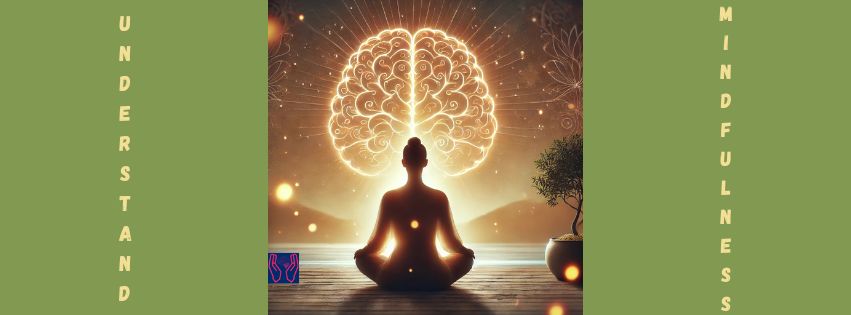
Mindfulness is a well-researched psychological technique that has been shown to help individuals manage anxiety, stress, and other emotional challenges. Mindfulness has been widely adopted in modern psychology, particularly in therapies such as Mindfulness-Based Stress Reduction (MBSR) and Mindfulness-Based Cognitive Therapy (MBCT). These therapeutic approaches emphasise the importance of intentional awareness and acceptance of the present moment.
By fostering awareness and focus, mindfulness can enhance concentration, improve emotional regulation, and promote relaxation. It enables individuals to recognise intrusive thoughts without becoming overwhelmed by them, leading to greater self-awareness and emotional balance. While practising mindfulness may sometimes slow down one’s actions, this happens with purpose, allowing for deeper understanding and improved outcomes.
How to Practise Mindfulness Effectively
To truly embrace mindfulness, one must integrate it into daily life rather than viewing it as a separate activity. Simple, everyday tasks can become opportunities for mindfulness when approached with awareness and intention.
A Practical Example – Mindful Dishwashing
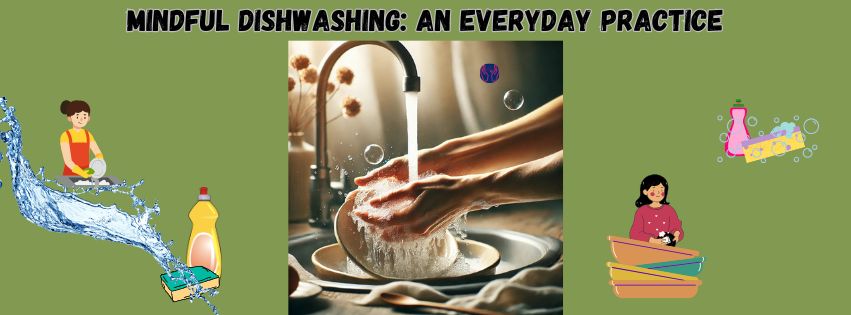
A common example of practising mindfulness is washing dishes. Rather than rushing through the task or letting the mind wander aimlessly, one can turn dishwashing into a mindful experience by tuning into the senses:
- Listen to the sound of water splashing and soap bubbling.
- Feel the sensation of warm water and lather against your hands.
- Observe and feel the varying textures of the dishes, from smooth glass to rough ceramic.
- Notice the shift in temperatures as water flows over your hands.
- Smell the mingling scents of soap and food remnants.
- See the colours of the dishes, the transparency of water droplets, the movement of bubbles, and the rainbow colours in transparent bubbles.
The aim of this exercise is not to categorise these sensations as pleasant or unpleasant but simply to observe and experience them as they unfold. This level of awareness can be applied to numerous daily activities, including eating, walking, or even breathing.
The Balance Between Mindfulness and Productivity
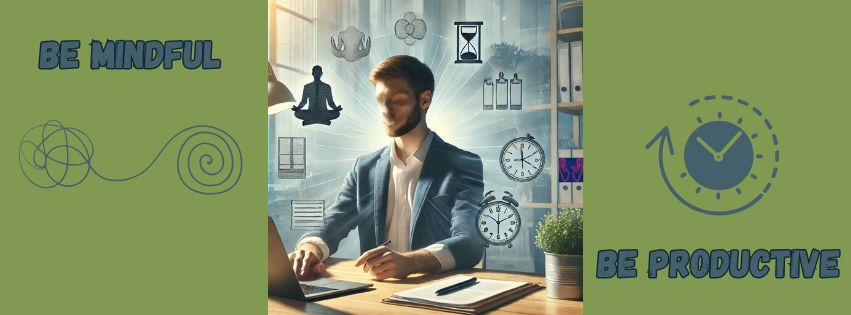
One of the key aspects of effective mindfulness practice is balance. While mindfulness encourages being fully present, it should not lead to inefficiency or wasted time. Some individuals mistakenly believe that mindfulness means slowing down to the point of reduced productivity. However, when practised correctly, mindfulness enhances efficiency by improving focus and reducing mental clutter.
For example, a mindful worker is more likely to complete tasks with precision and attention to detail, reducing the need for corrections or repeated efforts. Similarly, a mindful student may absorb information more effectively, leading to better retention and academic performance. The key is to remain aware of time, resources, and responsibilities while staying engaged in the present moment.
The Psychological Benefits of Mindfulness

Research in psychology and neuroscience has demonstrated numerous benefits of mindfulness, including:
- Reduced Stress and Anxiety: Mindfulness helps individuals regulate their responses to stressors, preventing emotional overwhelm.
- Improved Emotional Regulation: By observing thoughts and feelings without immediate reaction, individuals gain greater control over their emotions.
- Enhanced Concentration and Cognitive Function: Mindfulness improves attention span, decision-making, and problem-solving abilities.
- Better Physical Health: Studies have linked mindfulness to lower blood pressure, improved immune function, and reduced symptoms of chronic pain.
- Increased Overall Well-being: Regular mindfulness practice contributes to greater life satisfaction and emotional resilience.
Applying Mindfulness in Everyday Life

Mindfulness does not require extended meditation sessions or retreating from daily responsibilities. It can be incorporated into everyday life through simple practices such as:
- Mindful Breathing: Taking a few moments to focus on the rhythm of your breath can centre your thoughts and reduce stress.
- Mindful Eating: Paying attention to the flavours, textures, and smells of food can enhance enjoyment and prevent overeating.
- Mindful Walking: Observing the sensation of each step, the feel of the ground beneath your feet, and the sounds around you can create a grounding experience.
- Mindful Listening: Fully engaging in conversations without distraction fosters deeper connections and understanding.
Final Thoughts
Mindfulness is a powerful tool for enhancing mental well-being, but it must be understood and practised correctly. It is not about being slow or absent-minded but about being fully engaged in the present moment. By cultivating mindfulness in daily activities, individuals can experience reduced stress, improved focus, and a greater sense of balance in their lives. When applied thoughtfully, mindfulness enriches both personal and professional experiences, leading to a more fulfilling and meaningful life.
So, the next time you wash the dishes, take a moment to truly experience it. Not as a chore, but as an opportunity to practise mindfulness—and in doing so, bring a sense of calm and clarity into your daily routine.

 Mind's Maze and Beyond
Leave a comment